In today’s world, the air we breathe indoors is often more polluted than the air outside. From allergens and dust to pet dander and harmful chemicals, our homes can be breeding grounds for airborne contaminants. That’s where air purifiers come in. Investing in an air purifier can significantly improve your indoor air quality, leading to numerous health benefits and a more comfortable living environment. This blog post explores the essential air purifier benefits, making a compelling case for why every home should have one.
Understanding Indoor Air Pollution
Before diving into the benefits of air purifiers, it’s crucial to understand the sources of indoor air pollution. Common culprits include:
- Dust mites: Microscopic creatures that thrive in bedding, carpets, and upholstery.
- Pet dander: Tiny flecks of skin shed by animals with fur or feathers.
- Pollen: Airborne particles from plants that can trigger allergies.
- Mold spores: Microscopic fungi that grow in damp environments.
- Smoke: From cooking, fireplaces, and secondhand cigarette smoke.
- Volatile Organic Compounds (VOCs): Chemicals released from paints, cleaning products, furniture, and building materials.
These pollutants can trigger allergies, asthma, and other respiratory problems. Prolonged exposure to poor indoor air quality can even lead to more serious health issues.
Key Air Purifier Benefits
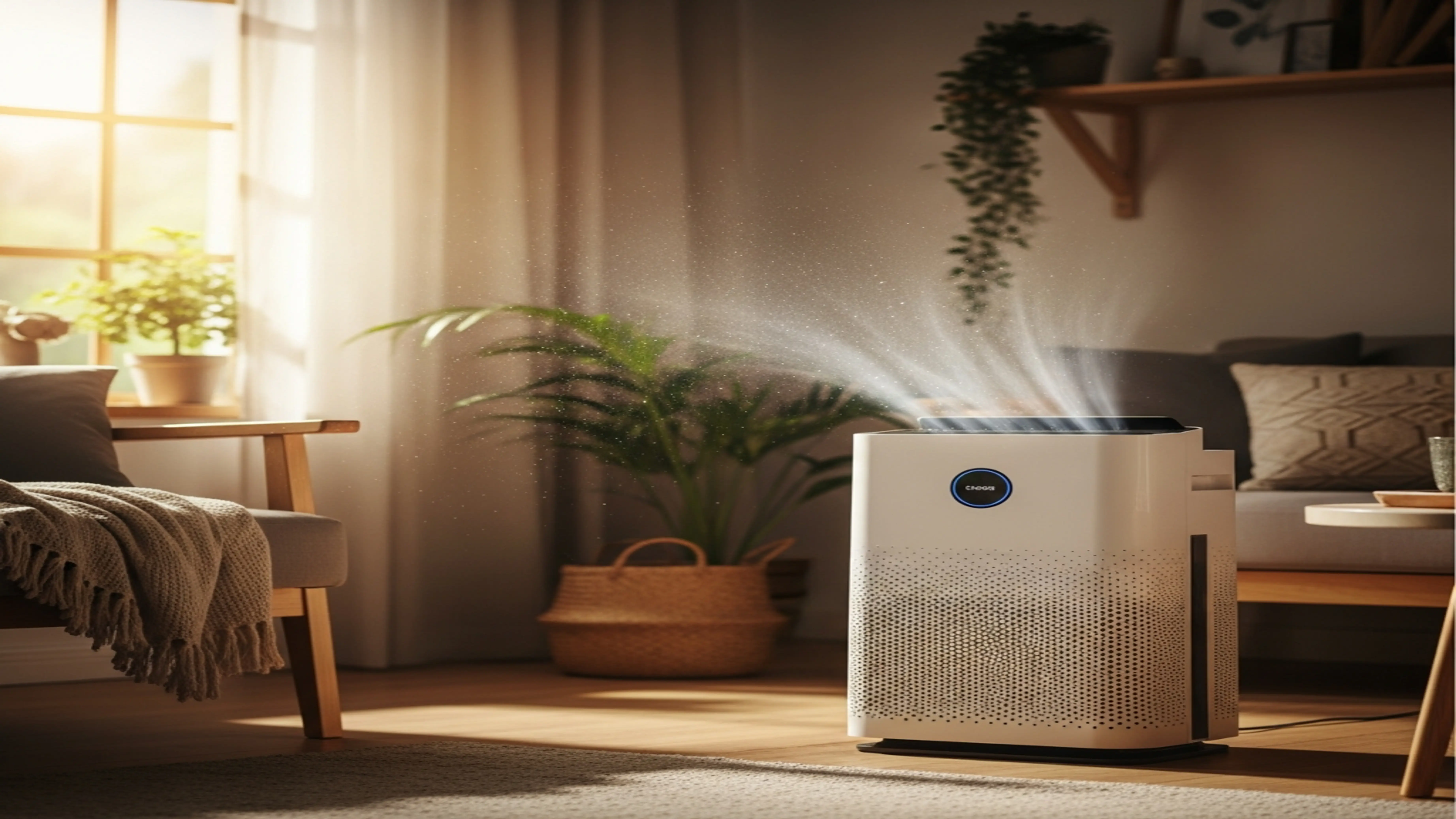
Air purifiers work by drawing in air, filtering out pollutants, and releasing clean air back into the room. The specific filtration technology varies, but most air purifiers use a combination of filters, including HEPA filters, activated carbon filters, and UV-C light.
1. Alleviating Allergy and Asthma Symptoms
This is perhaps the most well-known air purifier benefit. HEPA filters are highly effective at capturing allergens like dust, pollen, and pet dander, providing relief for allergy sufferers and asthmatics. By removing these triggers from the air, air purifiers can reduce sneezing, coughing, runny noses, and other allergy symptoms. They can also help to reduce the frequency and severity of asthma attacks.
2. Removing Dust and Fine Particles
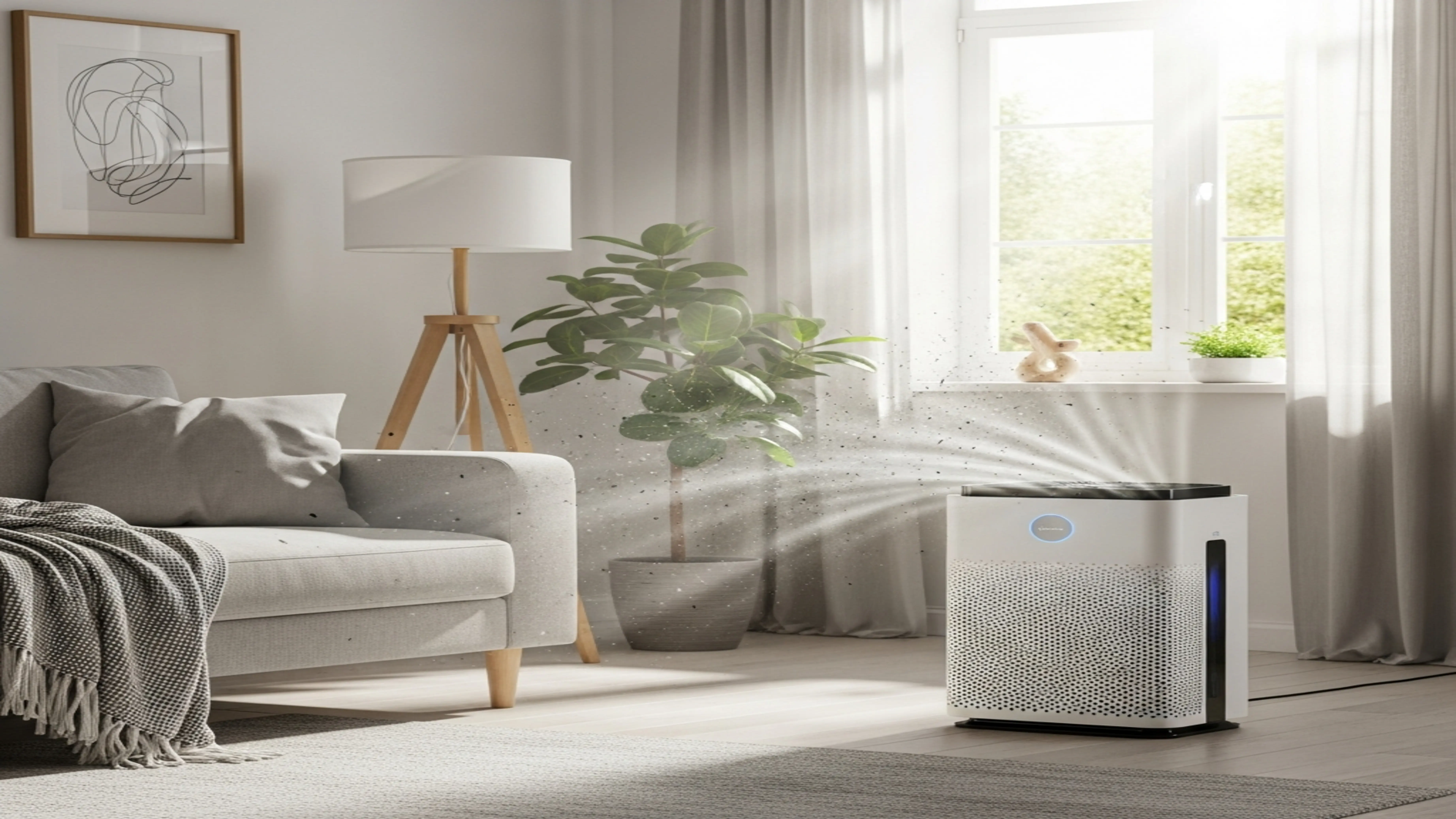
Dust and other fine particles can irritate the respiratory system and contribute to various health problems. Air purifiers equipped with HEPA filters capture these particles, preventing them from circulating in the air and being inhaled. This is particularly beneficial for individuals with respiratory sensitivities or those living in areas with high levels of air pollution. You can find a range of air purifiers to suit every need at Marino Kitchen.
3. Eliminating Pet Dander
Pet dander is a major allergen for many people. Even if you don’t have a pet allergy, pet dander can still contribute to poor indoor air quality. Air purifiers effectively remove pet dander from the air, reducing allergy symptoms and improving overall air quality for pet owners and their families.
4. Reducing Mold and Mildew
Mold and mildew thrive in damp environments and release spores into the air, which can trigger allergies and respiratory problems. Air purifiers with HEPA filters can capture mold spores, preventing them from circulating and reducing the risk of mold growth. Some air purifiers also have UV-C light, which can kill mold spores and other microorganisms.
5. Neutralizing Odors
Activated carbon filters are highly effective at absorbing odors from cooking, pets, smoke, and other sources. Air purifiers with activated carbon filters can significantly improve the smell of your home, creating a more pleasant and comfortable living environment.
6. Filtering Smoke and VOCs
Smoke and VOCs are harmful pollutants that can contribute to a variety of health problems. Air purifiers with activated carbon filters can effectively remove smoke and VOCs from the air, protecting you and your family from their harmful effects. This is particularly important for individuals living in areas with high levels of air pollution or those who smoke.
7. Improving Sleep Quality
Poor air quality can disrupt sleep and lead to fatigue. By removing allergens, dust, and other pollutants from the air, air purifiers can improve sleep quality and reduce nighttime symptoms such as coughing and sneezing. A clean and fresh room contributes to a good nights sleep, much like some of the other items from Marino Kitchens home appliance range.
8. Reducing the Spread of Airborne Illnesses
While not a primary function, some air purifiers with HEPA filters can capture airborne viruses and bacteria, potentially reducing the spread of illnesses like the flu and the common cold. While an air purifier isn’t a substitute for proper hygiene practices like handwashing, it can be a helpful addition to your overall health strategy.
Choosing the Right Air Purifier
With so many air purifiers on the market, it’s important to choose one that meets your specific needs. Consider the following factors when selecting an air purifier:
- Room size: Choose an air purifier that is appropriately sized for the room in which it will be used.
- Filter type: HEPA filters are essential for removing allergens and dust. Activated carbon filters are effective for neutralizing odors and VOCs.
- CADR rating: The Clean Air Delivery Rate (CADR) indicates how quickly the air purifier cleans the air in a room. Choose an air purifier with a CADR rating that is appropriate for your room size.
- Noise level: Some air purifiers can be quite noisy. Choose an air purifier with a low noise level, especially if you plan to use it in a bedroom.
- Features: Some air purifiers have additional features such as timers, remote controls, and air quality sensors.
Maintaining Your Air Purifier
To ensure your air purifier continues to function effectively, it’s important to maintain it properly. This includes regularly replacing the filters according to the manufacturer’s instructions and cleaning the air purifier’s exterior.
Conclusion
The benefits of air purifiers are undeniable. From alleviating allergy and asthma symptoms to removing dust, odors, and harmful chemicals, air purifiers can significantly improve indoor air quality and create a healthier, more comfortable living environment. Investing in an air purifier is an investment in your health and well-being. For more information on the health effects of indoor air quality, you can visit the United States Environmental Protection Agency (EPA) website.
FAQs
What is a HEPA filter, and why is it important in an air purifier?
HEPA (High-Efficiency Particulate Air) filters are designed to capture 99.97% of particles that are 0.3 microns in size. This makes them very effective at removing common allergens, dust, pollen, pet dander, and other airborne particles from the air, making them essential for allergy sufferers and improving overall air quality.
How often should I replace the filters in my air purifier?
The frequency of filter replacement depends on the type of filter and how often you use the air purifier. HEPA filters typically need to be replaced every 6-12 months, while activated carbon filters may need to be replaced every 3-6 months. Refer to your air purifier’s manual for specific recommendations.
Can an air purifier help with odors in my home?
Yes, air purifiers with activated carbon filters are highly effective at neutralizing odors from cooking, pets, smoke, and other sources. The activated carbon absorbs the odor molecules, leaving the air smelling fresher.
Are air purifiers noisy?
Some air purifiers can be noisy, but many models are designed to operate quietly, especially on lower settings. When choosing an air purifier, look for one with a low noise level, particularly if you plan to use it in a bedroom or other quiet space.