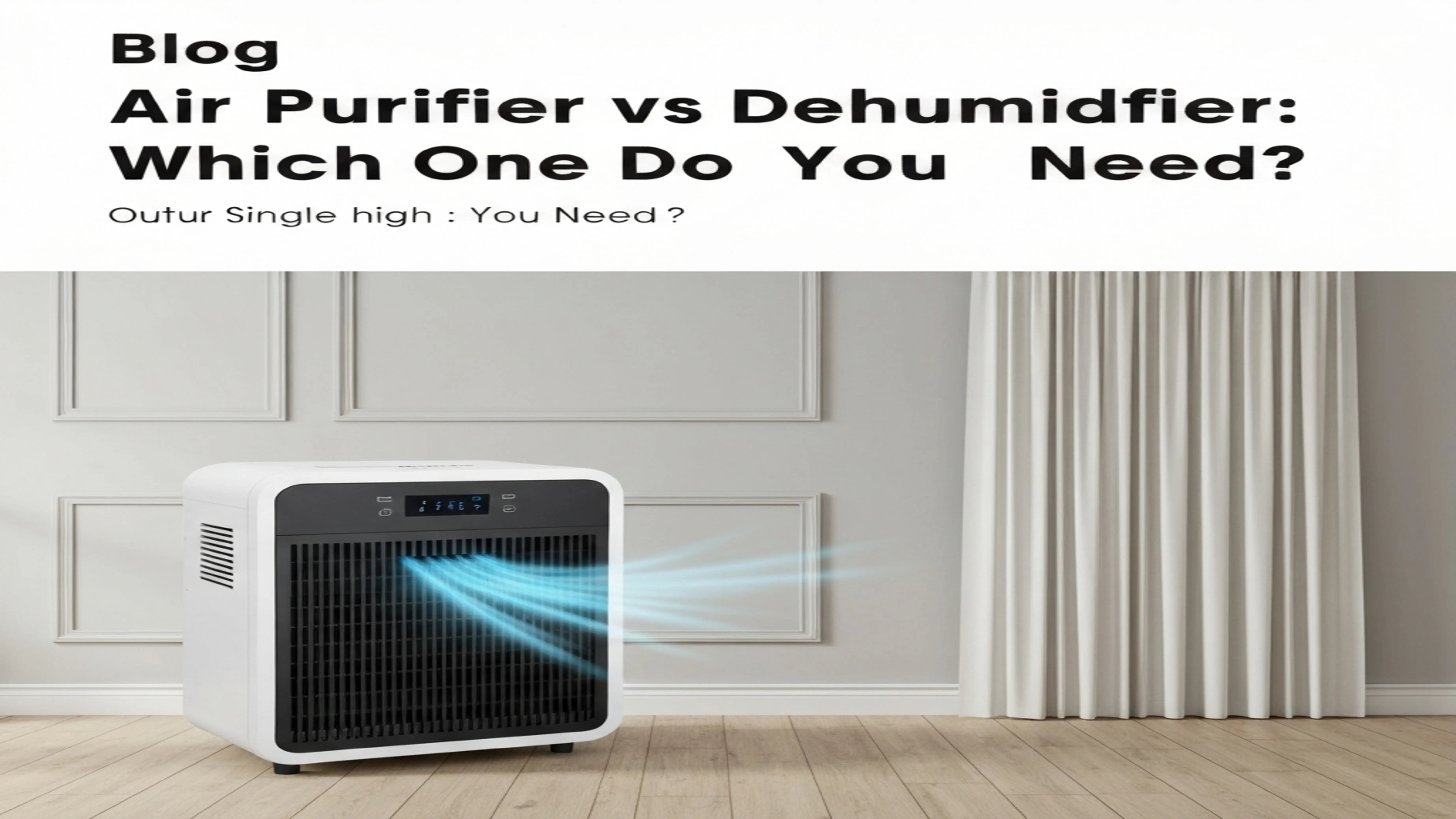
Indoor air quality is something we often take for granted, but it significantly impacts our health and well-being. Two common appliances designed to improve indoor air are air purifiers and dehumidifiers. While both aim to create a more comfortable and healthier environment, they address different problems and work in fundamentally different ways. Understanding the distinction between an air purifier vs dehumidifier is crucial for choosing the right appliance for your specific needs.
This comprehensive guide will delve into the functionalities, benefits, and drawbacks of each device. We’ll explore the specific issues they tackle, helping you make an informed decision about which one – or perhaps both – is the right fit for your home.
Understanding Air Purifiers: Filtering the Air You Breathe
Air purifiers are designed to remove pollutants from the air. They work by drawing air in, passing it through one or more filters, and then releasing the cleaned air back into the room. The types of pollutants an air purifier can remove depends on the type of filter it uses.
How Air Purifiers Work
The core of an air purifier is its filtration system. Different types of filters target different pollutants:
- HEPA Filters: High-Efficiency Particulate Air (HEPA) filters are the gold standard for removing airborne particles. They can capture at least 99.97% of particles that are 0.3 microns in diameter. This includes dust, pollen, pet dander, mold spores, and other allergens.
- Activated Carbon Filters: These filters use activated carbon to absorb gases, odors, and volatile organic compounds (VOCs). They are effective at removing smells from cooking, smoke, and chemicals.
- UV-C Light: Some air purifiers incorporate UV-C light to kill bacteria, viruses, and other microorganisms. While UV-C light can be effective, it’s crucial to note that the effectiveness depends on the intensity and duration of exposure.
- Pre-filters: A pre-filter is often used as the first stage of filtration. It captures larger particles like dust and pet hair, extending the life of the other filters.
Benefits of Using an Air Purifier
Using an air purifier offers a multitude of benefits, particularly for individuals with allergies, asthma, or other respiratory conditions. Key advantages include:
- Allergy Relief: By removing pollen, dust mites, and pet dander, air purifiers can significantly reduce allergy symptoms such as sneezing, coughing, and itchy eyes.
- Asthma Management: Air purifiers can help remove triggers that can exacerbate asthma symptoms, such as dust, smoke, and mold spores.
- Odor Removal: Air purifiers with activated carbon filters can eliminate unpleasant odors from cooking, pets, or smoke.
- Improved Sleep: By creating a cleaner and healthier sleep environment, air purifiers can contribute to better sleep quality.
- Reduced Exposure to VOCs: VOCs are emitted from many household products, such as paints, cleaning supplies, and furniture. Air purifiers with activated carbon filters can help reduce exposure to these harmful chemicals.
Limitations of Air Purifiers
While air purifiers offer numerous benefits, it’s essential to be aware of their limitations:
- Limited Humidity Control: Air purifiers do not affect humidity levels. If you have problems with excessive moisture, you’ll need a dehumidifier.
- Filter Maintenance: Air purifier filters need to be replaced regularly, adding to the overall cost of operation. The frequency of replacement depends on the type of filter and the level of air pollution.
- Coverage Area: Air purifiers are designed to clean the air in a specific area. Choosing an air purifier that’s too small for your room won’t be effective.
Understanding Dehumidifiers: Controlling Humidity Levels
Dehumidifiers are designed to reduce humidity levels in the air. They work by drawing air in, removing moisture from the air, and then releasing the drier air back into the room. This helps to prevent mold growth, dust mite infestations, and other problems associated with high humidity.
How Dehumidifiers Work
Dehumidifiers typically use one of two technologies:
- Refrigerant Dehumidifiers: These dehumidifiers work by drawing air over cold coils. Moisture in the air condenses on the coils and is collected in a tank. The dried air is then reheated and released back into the room.
- Desiccant Dehumidifiers: These dehumidifiers use a desiccant material to absorb moisture from the air. The desiccant material is then heated to release the moisture, which is collected in a tank. Desiccant dehumidifiers are more effective at lower temperatures than refrigerant dehumidifiers.
Benefits of Using a Dehumidifier
Using a dehumidifier offers several advantages, particularly in areas with high humidity:
- Mold Prevention: By reducing humidity levels, dehumidifiers can prevent the growth of mold and mildew, which can cause health problems and damage property.
- Dust Mite Control: Dust mites thrive in humid environments. Dehumidifiers can help reduce dust mite populations, alleviating allergy symptoms.
- Odor Reduction: High humidity can contribute to musty odors. Dehumidifiers can help eliminate these odors by reducing moisture levels.
- Improved Comfort: Reducing humidity can make a room feel more comfortable, especially in hot weather.
- Prevention of Structural Damage: Excess moisture can damage walls, floors, and furniture. Dehumidifiers can help prevent this damage by keeping humidity levels in check.
Limitations of Dehumidifiers
Dehumidifiers also have limitations to consider:
- No Air Purification: Dehumidifiers do not remove pollutants from the air. They only address humidity levels.
- Energy Consumption: Dehumidifiers can consume a significant amount of energy, especially larger models.
- Maintenance: Dehumidifiers require regular maintenance, such as emptying the water tank and cleaning the filter.
- Noise: Some dehumidifiers can be noisy, especially older models.
Air Purifier vs Dehumidifier: Key Differences Summarized
To further clarify the distinction between an air purifier vs dehumidifier, here’s a table summarizing their key differences:
| Feature | Air Purifier | Dehumidifier |
|---|---|---|
| Function | Removes pollutants from the air | Reduces humidity levels |
| Target Pollutants | Dust, pollen, pet dander, mold spores, smoke, odors, VOCs | Excess moisture in the air |
| Filtration System | HEPA filter, activated carbon filter, UV-C light | Refrigerant or desiccant technology |
| Impact on Humidity | No impact | Reduces humidity |
| Best Use Cases | Allergies, asthma, odor removal, improved air quality | Mold prevention, dust mite control, musty odor reduction, structural protection |
Which One Do You Need? Factors to Consider
Choosing between an air purifier vs dehumidifier depends on your specific needs and concerns. Consider the following factors:
- Air Quality Concerns: If you are primarily concerned about air pollutants such as dust, pollen, pet dander, or smoke, an air purifier is the better choice.
- Humidity Levels: If you live in a humid climate or have problems with condensation, mold, or mildew, a dehumidifier is the better choice.
- Allergies and Asthma: If you suffer from allergies or asthma, both air purifiers and dehumidifiers can be beneficial. Air purifiers can remove allergens from the air, while dehumidifiers can reduce dust mite populations and mold growth.
- Specific Health Concerns: If you have specific health concerns, such as respiratory problems or sensitivities to chemicals, consult with your doctor to determine which appliance is right for you.
- Budget: Air purifiers and dehumidifiers vary in price. Consider your budget when making your decision. Also, be sure to factor in the ongoing cost of filter replacements for air purifiers.
Can You Use Both an Air Purifier and a Dehumidifier?
Yes, you can absolutely use both an air purifier and a dehumidifier. In fact, in some cases, it may be the ideal solution. If you have both air quality concerns and humidity problems, using both appliances can create a healthier and more comfortable indoor environment. For example, you might live in a humid climate with high pollen counts. An air purifier will remove the pollen, while a dehumidifier will control the humidity, preventing mold growth and dust mite infestations.
When using both appliances, it’s important to place them strategically. Avoid placing them too close together, as they may interfere with each other’s performance. For instance, don’t place the air purifier directly in front of the dehumidifier’s exhaust, as this could reduce the air purifier’s efficiency. Looking for air purifiers? Browse our selection of air purifiers to find the perfect model for your needs.
Maintaining Your Air Purifier and Dehumidifier
Proper maintenance is essential for ensuring that your air purifier and dehumidifier operate efficiently and effectively. Here are some maintenance tips:
Air Purifier Maintenance
- Replace Filters Regularly: Follow the manufacturer’s recommendations for filter replacement. Typically, HEPA filters need to be replaced every 6-12 months, while activated carbon filters need to be replaced every 3-6 months.
- Clean the Pre-filter: The pre-filter should be cleaned regularly, such as every month, to remove dust and pet hair.
- Wipe Down the Exterior: Wipe down the exterior of the air purifier with a damp cloth to remove dust and dirt.
Dehumidifier Maintenance
- Empty the Water Tank Regularly: Empty the water tank when it’s full to prevent overflow and mold growth. Some dehumidifiers have a continuous drain option, which allows you to connect a hose and drain the water directly into a sink or drain.
- Clean the Filter: Clean the filter regularly, such as every month, to remove dust and debris.
- Defrost the Coils: If you have a refrigerant dehumidifier, the coils may freeze up in cold temperatures. Defrost the coils according to the manufacturer’s instructions.
- Wipe Down the Exterior: Wipe down the exterior of the dehumidifier with a damp cloth to remove dust and dirt.
Additional Tips for Improving Indoor Air Quality
In addition to using air purifiers and dehumidifiers, there are other steps you can take to improve indoor air quality:
- Ventilate Your Home: Open windows and doors regularly to ventilate your home and bring in fresh air.
- Control Humidity Levels: Maintain humidity levels between 30% and 50% to prevent mold growth and dust mite infestations.
- Clean Regularly: Dust, vacuum, and mop regularly to remove allergens and pollutants.
- Use Natural Cleaning Products: Avoid using harsh chemicals, which can release VOCs into the air. Opt for natural cleaning products instead.
- Avoid Smoking Indoors: Smoking indoors can significantly degrade air quality.
- Test for Radon: Radon is a radioactive gas that can seep into homes from the ground. Test your home for radon and take steps to mitigate it if necessary. You can find more information on radon testing from the United States Environmental Protection Agency (EPA).
Ultimately, the choice between an air purifier vs dehumidifier, or using both, depends on your unique circumstances and priorities. By understanding the differences between these appliances and considering your specific needs, you can create a healthier and more comfortable indoor environment. Browse our wide range of home appliances to find the perfect solutions for your home.
FAQs
What is the main difference between an air purifier and a dehumidifier?
An air purifier removes pollutants from the air, like dust, pollen, and smoke, while a dehumidifier reduces humidity levels to prevent mold growth and dust mites.
Can I use an air purifier and a dehumidifier in the same room?
Yes, using both can be beneficial if you have both air quality concerns and high humidity. Place them strategically to avoid interfering with each other’s performance.
Which is better for allergies, an air purifier or a dehumidifier?
Both can help. Air purifiers remove allergens from the air, while dehumidifiers reduce dust mite populations and mold growth, which can also trigger allergies.
How often do I need to replace the filters in an air purifier?
HEPA filters typically need replacing every 6-12 months, while activated carbon filters should be replaced every 3-6 months. Check the manufacturer’s recommendations for your specific model.