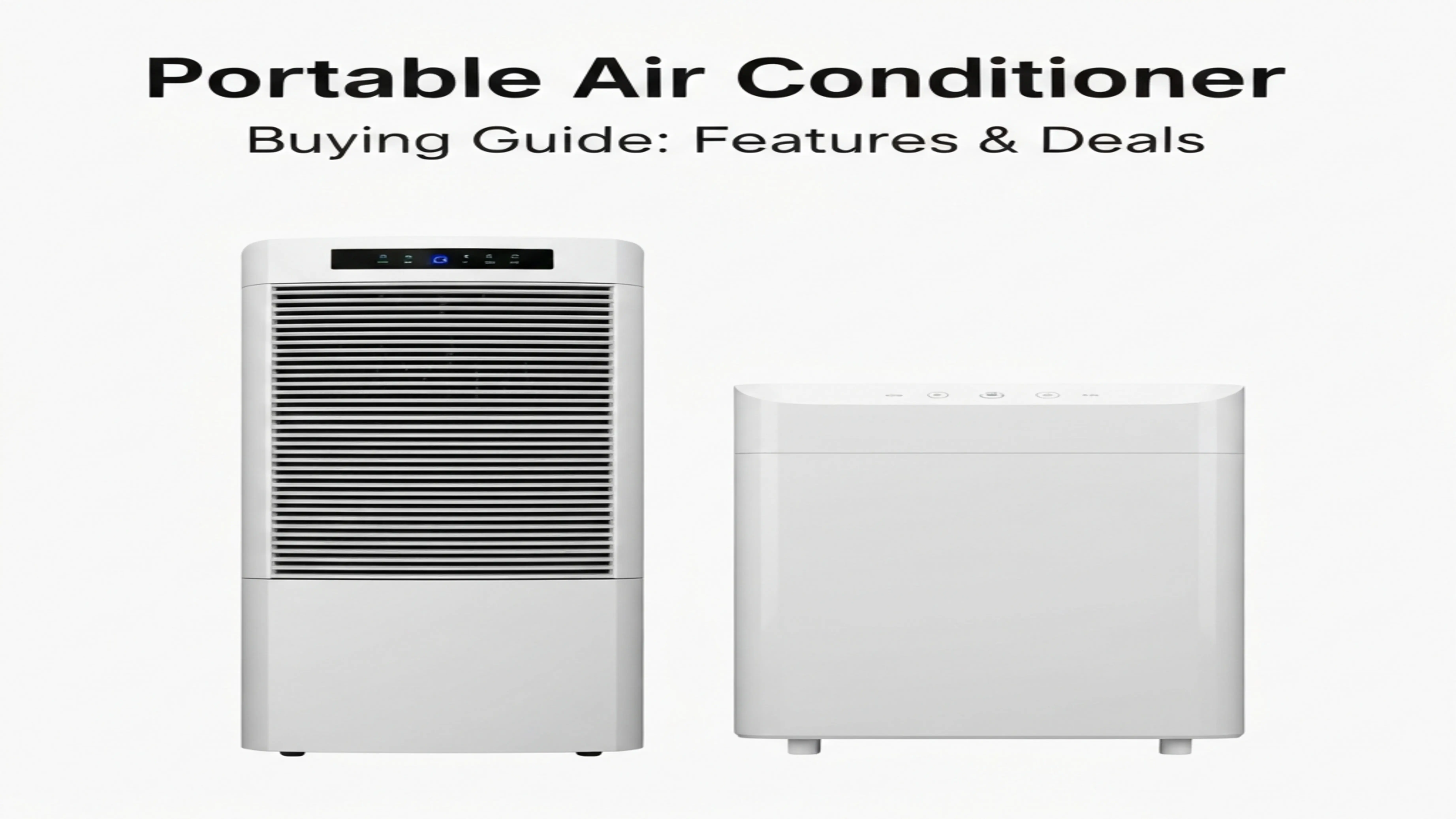
Summer’s heat can be unbearable, especially in spaces without central air conditioning. A portable air conditioner (PAC) offers a flexible and efficient cooling solution, allowing you to enjoy a comfortable environment in any room you choose. But with so many models on the market, selecting the right one can feel overwhelming. This comprehensive guide breaks down everything you need to know to make an informed decision and find the perfect portable AC to keep you cool and comfortable.
Understanding Portable Air Conditioners: How They Work
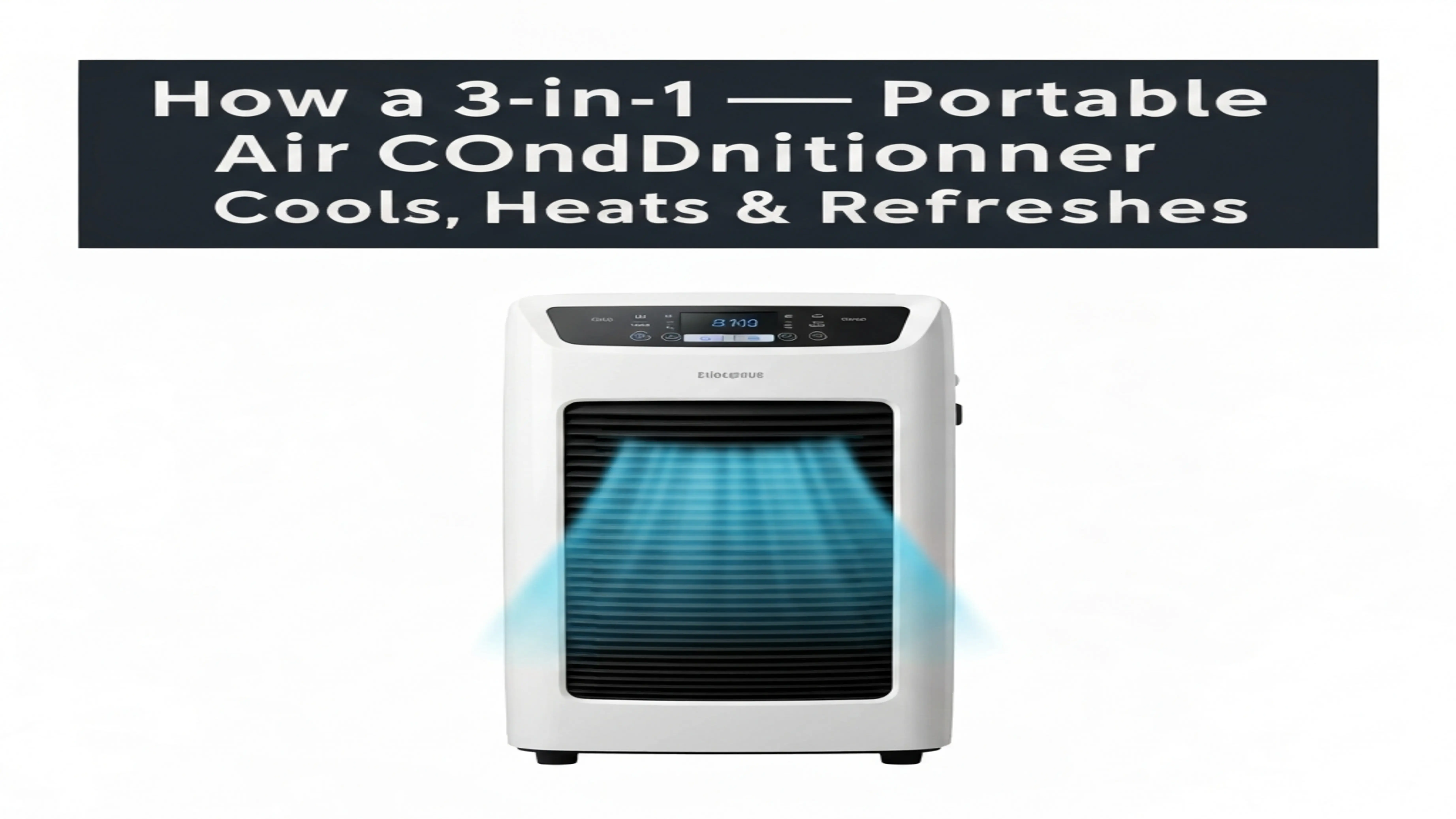
Unlike window AC units, portable air conditioners are self-contained units that sit on the floor. They cool the air by drawing it in, passing it over a refrigerant-filled evaporator coil, and then exhausting the warm air outside through a window vent kit. Most models also have a dehumidifying function, which helps to remove excess moisture from the air, further enhancing your comfort.
Key Features to Consider Before You Buy
Before diving into specific models, it’s essential to understand the key features that differentiate portable air conditioners. These features will significantly impact their performance, efficiency, and suitability for your needs.
- BTU (British Thermal Units): BTU measures the cooling capacity of an air conditioner. The higher the BTU, the larger the area the unit can effectively cool. A general rule of thumb is 8,000 BTU for a 200-300 square foot room, 10,000 BTU for 300-400 square feet, and 12,000 BTU for 400-500 square feet.
- Room Size: Always match the BTU rating to the size of the room you intend to cool. An oversized unit will cool the room too quickly, leading to short cycling and inefficient operation. An undersized unit will struggle to cool the space adequately.
- Energy Efficiency: Look for models with a high Energy Efficiency Ratio (EER) or a Seasonal Energy Efficiency Ratio (SEER). A higher EER/SEER indicates better energy efficiency, which translates to lower electricity bills.
- Noise Level: Portable air conditioners can generate some noise. Check the decibel (dB) rating to ensure the noise level is acceptable, especially if you plan to use the unit in a bedroom or office.
- Single-Hose vs. Dual-Hose: Single-hose units draw air from inside the room to cool the condenser, which can create negative air pressure and draw in warm air from outside. Dual-hose units draw air from outside to cool the condenser, making them more efficient and less likely to create negative air pressure.
- Features: Consider features like adjustable fan speeds, programmable timers, sleep mode, remote control, and auto-restart. These features can enhance your convenience and comfort.
- Window Vent Kit: Ensure the unit comes with a window vent kit that is compatible with your window type (sliding or casement).
- Portability: Look for models with caster wheels for easy movement from room to room.
Types of Portable Air Conditioners
While all portable air conditioners share the same basic functionality, there are a few variations to be aware of:
- Air Conditioners with Heat: These units can both cool and heat, providing year-round comfort.
- Evaporative Coolers (Swamp Coolers): These units use water evaporation to cool the air. They are more energy-efficient than traditional ACs but are only effective in dry climates.
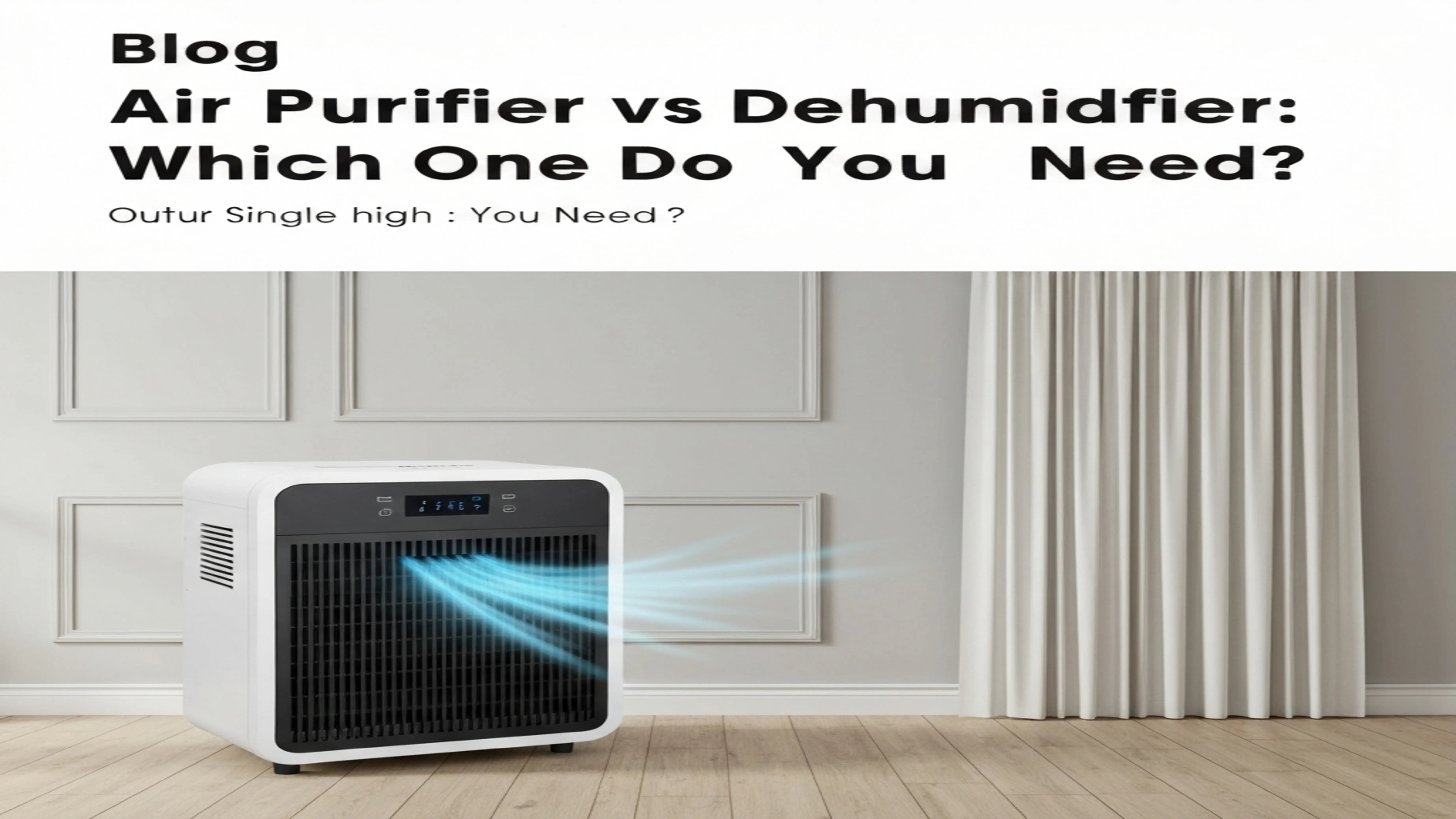
- Air Conditioners with Dehumidifiers: Many portable ACs have built-in dehumidifiers. These units can remove moisture from the air, making your space feel cooler and more comfortable. You can also explore dedicated air purifier options for improving indoor air quality.
Finding the Best Deals on Portable Air Conditioners
Here are some tips for finding the best deals on portable air conditioners:
- Shop Around: Compare prices from different retailers, both online and in brick-and-mortar stores.
- Look for Sales and Discounts: Take advantage of seasonal sales, holiday promotions, and clearance events.
- Read Reviews: Before making a purchase, read reviews from other customers to get an idea of the unit’s performance and reliability.
- Consider Refurbished Models: Refurbished portable air conditioners can be a more affordable option, but be sure to purchase from a reputable seller with a warranty.
- Check for Rebates: Some utility companies offer rebates on energy-efficient appliances, including portable air conditioners.
Installation and Maintenance Tips
Proper installation and maintenance are crucial for ensuring optimal performance and longevity of your portable air conditioner.
- Installation: Follow the manufacturer’s instructions carefully when installing the window vent kit. Ensure the vent is properly sealed to prevent warm air from entering the room.
- Maintenance: Clean the air filter regularly (usually every two weeks) to remove dust and debris. This will improve airflow and prevent the unit from overheating.
- Storage: When storing the unit for the winter, drain any remaining water from the tank and clean the unit thoroughly.
- Professional Servicing: If you encounter any issues with your portable air conditioner, consult a qualified technician for assistance. You might also consider browsing through a wide array of home appliances to ensure you have the right solution for your needs.
Safety Precautions
Always follow these safety precautions when using a portable air conditioner:
- Do not use an extension cord. Plug the unit directly into a grounded outlet.
- Do not operate the unit with a damaged cord or plug.
- Do not immerse the unit in water.
- Do not block the air vents.
- Keep the unit away from flammable materials.
Regulations and Standards
It is crucial to be aware of local regulations and standards related to the use of portable air conditioners. For example, in the UAE, the Emirates Authority for Standardization and Metrology (ESMA) sets standards for energy efficiency and safety of appliances. Check ESMA’s official website for the latest guidelines and regulations regarding air conditioners to ensure compliance and responsible usage. For further information, you can consult the Emirates Authority for Standardization and Metrology (ESMA) website.
Conclusion: Staying Cool and Comfortable with a Portable AC
A portable air conditioner can be a lifesaver during hot weather, providing a convenient and cost-effective cooling solution for any room in your home. By understanding the key features, types, and considerations outlined in this guide, you can confidently choose the perfect portable AC to meet your specific needs and enjoy a cool and comfortable summer. Remember to prioritize energy efficiency and proper maintenance to maximize the benefits and minimize your environmental impact.
FAQs
What BTU portable air conditioner do I need for my room?
A general rule of thumb is 8,000 BTU for a 200-300 square foot room, 10,000 BTU for 300-400 square feet, and 12,000 BTU for 400-500 square feet.
Are dual-hose portable air conditioners better than single-hose?
Yes, dual-hose units are generally more efficient because they draw air from outside to cool the condenser, preventing negative air pressure and reducing the influx of warm air.
How often should I clean the air filter in my portable AC?
You should clean the air filter every two weeks to maintain optimal airflow and prevent the unit from overheating. Regular maintenance ensures efficient and effective cooling.
Where can I find good deals on portable air conditioners?
Shop around at different retailers, look for seasonal sales and discounts, consider refurbished models from reputable sellers, and check for rebates offered by utility companies to find the best deals.