The microwave oven has become a kitchen staple, offering unparalleled convenience for reheating leftovers, cooking quick meals, and performing various other culinary tasks. But with so many models and features available, choosing the right microwave can feel overwhelming. This comprehensive buying guide will walk you through everything you need to know to select the perfect microwave oven for your needs, budget, and kitchen setup. We’ll cover different types, essential features, benefits, and provide valuable tips to ensure you make an informed decision.
Why You Need a Microwave Oven
Before diving into the specifics, let’s quickly recap why a microwave oven is such a valuable addition to any modern kitchen:
- Speed and Convenience: Microwaves cook food much faster than conventional ovens, saving you time and energy.
- Reheating Made Easy: Quickly reheat leftovers without drying them out.
- Defrosting Frozen Food: Defrost meat, poultry, and other frozen items in minutes.
- Simple Cooking: Cook single-serving meals, steam vegetables, and even bake small desserts with ease.
- Compact and Space-Saving: Microwaves come in various sizes to fit any kitchen space.
Types of Microwave Ovens
Microwave ovens come in several distinct types, each suited for different needs and kitchen configurations:
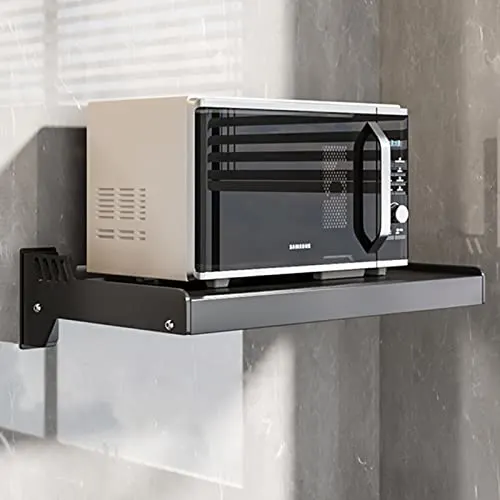
- Countertop Microwaves: The most common type, these microwaves sit on your countertop and are easy to install and use. They offer a wide range of features and price points.
- Over-the-Range (OTR) Microwaves: Designed to be installed above your cooktop, OTR microwaves save counter space and often include a built-in exhaust fan to vent cooking fumes.
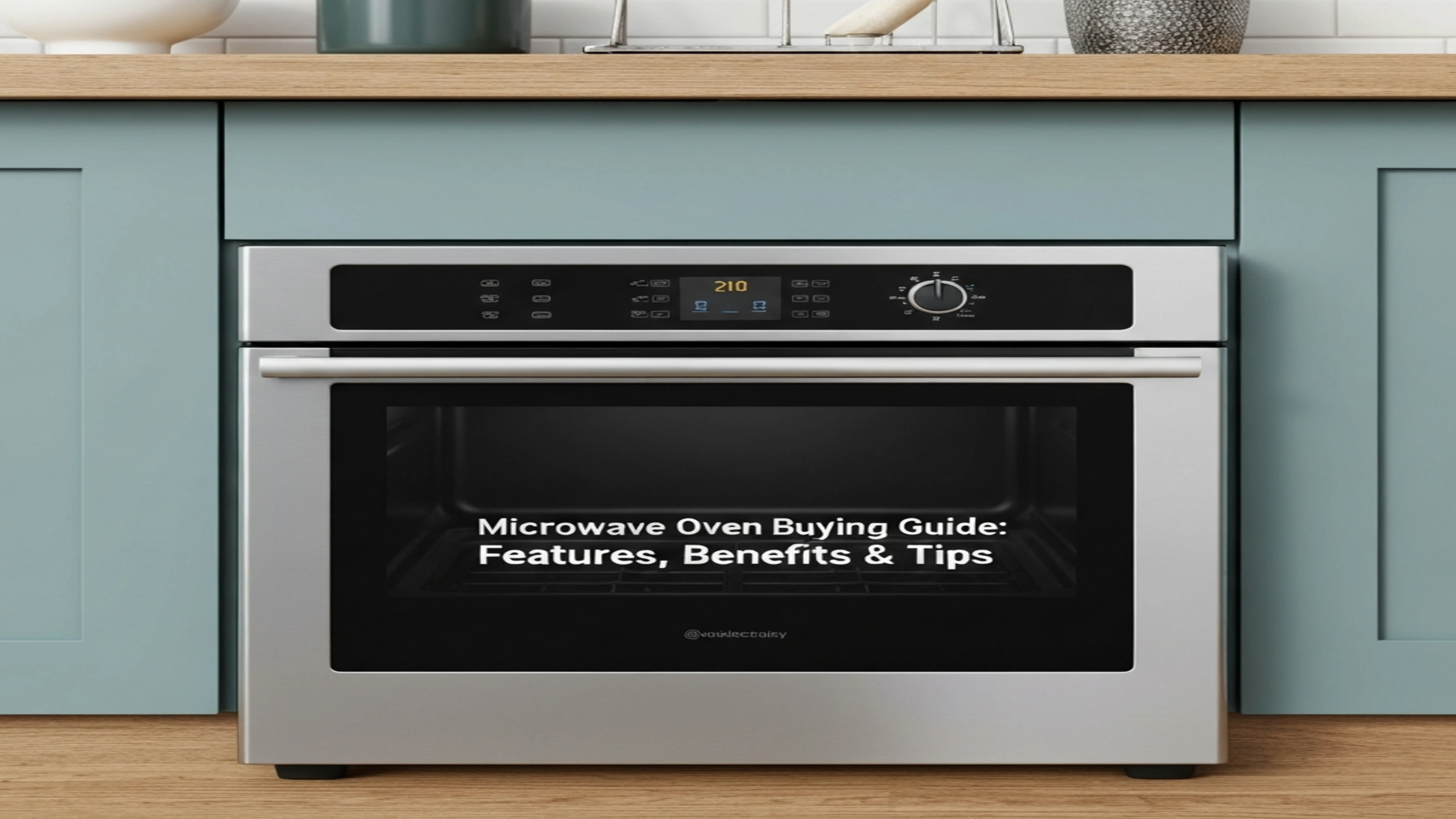
- Built-In Microwaves: These microwaves are integrated into your cabinetry for a seamless and custom look. They are typically more expensive than countertop models.
- Convection Microwaves: Combine microwave technology with convection cooking, allowing you to bake, roast, and brown food in addition to regular microwaving.
- Microwave Drawer Ovens: These microwaves pull out like a drawer and are installed under the counter or in a kitchen island, offering convenient access and a sleek design.
Key Features to Consider
When shopping for a microwave oven, several key features can significantly impact your cooking experience. Here’s a breakdown of the most important ones:
- Wattage: Microwave wattage determines cooking power. Higher wattage (e.g., 1000 watts or more) means faster and more even cooking. Lower wattage microwaves may require longer cooking times.
- Size and Capacity: Choose a size that fits your available counter space or cabinet opening. Interior capacity is measured in cubic feet (cu. ft.). Consider the typical size of the dishes you’ll be using.
- Turntable: A rotating turntable ensures even cooking by continuously rotating the food. Look for models with a removable turntable for easy cleaning.
- Pre-set Cooking Programs: Many microwaves offer pre-set programs for specific foods like popcorn, pizza, and potatoes. These programs automatically adjust the cooking time and power level for optimal results.
- Sensor Cooking: Sensor cooking technology detects the humidity released by the food and automatically adjusts the cooking time and power level to prevent overcooking.
- Inverter Technology: Inverter microwaves provide a constant power level throughout the cooking process, resulting in more even cooking and preventing hotspots.
- Defrosting Options: Look for models with various defrosting options, such as time defrost and weight defrost, to ensure efficient and even defrosting of frozen foods.
- Control Panel and Display: Choose a microwave with a user-friendly control panel and a clear, easy-to-read display. Touchscreen controls and backlit displays can enhance the user experience.
- Child Lock: A child lock feature prevents accidental operation of the microwave by children, ensuring safety in the kitchen.
Benefits of Different Microwave Types
Each type of microwave oven offers unique benefits to cater to specific needs. Understanding these advantages can help you narrow down your options:
- Countertop Microwaves:
- Affordable and readily available.
- Easy to install and move.
- Wide range of sizes and features.
- Over-the-Range (OTR) Microwaves:
- Save counter space.
- Built-in exhaust fan for ventilation.
- Convenient placement above the cooktop.
- Built-In Microwaves:
- Seamless and custom look.
- Elevated design.
- Can be combined with other built-in appliances.
- Convection Microwaves:
- Versatile cooking options (microwaving, baking, roasting).
- Can replace a traditional oven for small tasks.
- Faster cooking times compared to conventional ovens.
Tips for Choosing the Right Microwave Oven
Here are some practical tips to help you choose the perfect microwave oven for your kitchen:
- Assess Your Needs: Consider how often you use a microwave and what you typically cook or reheat. This will help you determine the necessary features and capacity.
- Measure Your Space: Carefully measure the available space on your countertop or above your cooktop to ensure the microwave fits properly.
- Set a Budget: Microwave ovens range in price from affordable to high-end. Determine your budget beforehand to narrow down your options.
- Read Reviews: Read online reviews from other consumers to get an idea of the microwave’s performance, reliability, and ease of use.
- Consider Energy Efficiency: Look for models with energy-saving features to reduce your electricity consumption.
- Check the Warranty: A good warranty provides peace of mind and protects you from potential defects or malfunctions.
- Don’t Overlook Cleaning: Choose a microwave with a smooth interior and removable parts for easy cleaning. Some models even have a self-cleaning function.
Maintaining Your Microwave Oven
Proper maintenance is essential to prolong the life of your microwave oven and ensure optimal performance. Here are some tips:
- Clean Regularly: Wipe down the interior and exterior of the microwave after each use to prevent food buildup.
- Use Microwave-Safe Containers: Only use containers that are specifically labeled as microwave-safe. Avoid using metal or containers with metallic trim.
- Cover Food: Cover food while microwaving to prevent splattering and keep the interior clean.
- Ventilate Properly: Ensure adequate ventilation around the microwave to prevent overheating.
- Avoid Empty Operation: Never operate the microwave when it is empty, as this can damage the magnetron.
- Address Issues Promptly: If you notice any unusual noises or malfunctions, contact a qualified repair technician immediately.
Choosing the right microwave oven can significantly enhance your kitchen experience. By considering the various types, features, and benefits outlined in this guide, you can confidently select a model that meets your specific needs and budget. Whether you’re looking for a basic countertop model or a sophisticated convection microwave, take the time to research your options and make an informed decision. You can browse a wide range of kitchen appliances here.
Microwave Safety Tips
Using a microwave oven safely is crucial to prevent accidents and ensure the longevity of the appliance. Here are some essential safety tips:
- Use Microwave-Safe Cookware: Always use containers and cookware specifically designed for microwave use. Avoid metal containers, aluminum foil, and dishes with metallic trim, as these can cause sparks and fires.
- Avoid Overheating Liquids: Be cautious when heating liquids in the microwave, as they can sometimes become superheated and erupt unexpectedly. Use a microwave-safe container and stir the liquid before and after heating.
- Pierce Food with Skin: When microwaving foods with skin, such as potatoes or sausages, pierce them with a fork to allow steam to escape and prevent them from bursting.
- Use Oven Gloves: Always use oven gloves or potholders when removing hot dishes from the microwave to protect your hands from burns.
- Keep the Microwave Clean: Regularly clean the interior of the microwave to prevent food buildup and odors. Use a mild detergent and a damp cloth.
- Supervise Children: Never allow children to use the microwave unattended. Teach them about microwave safety and proper usage.
- Check for Damage: Inspect the microwave regularly for any signs of damage, such as cracks, dents, or loose wiring. If you notice any damage, discontinue use and have it repaired by a qualified technician.
For more information on microwave safety and guidelines, you can refer to resources like those provided by the U.S. Food and Drug Administration (FDA) regarding radiation safety: FDA Microwave Oven Radiation Information.
Latest Innovations in Microwave Technology
The world of microwave ovens is constantly evolving, with manufacturers introducing new technologies to enhance cooking performance and convenience. Here are some of the latest innovations to look out for:
- Voice Control: Some microwaves now feature voice control capabilities, allowing you to start, stop, and adjust cooking settings using voice commands.
- Smart Connectivity: Smart microwaves can connect to your home Wi-Fi network and be controlled remotely via a smartphone app. You can also receive notifications and access recipes and cooking tips.
- 3D Wave Technology: This technology uses multiple microwave sources to distribute heat more evenly throughout the food, resulting in more consistent cooking.
- Steam Cooking: Some microwaves have built-in steam cooking capabilities, allowing you to steam vegetables, fish, and other foods for healthy and delicious meals.
Ultimately, the best microwave for you depends on your individual needs and preferences. Carefully consider your cooking habits, kitchen space, and budget, and choose a model that offers the features and performance you’re looking for. And don’t forget to explore other home appliances to complement your kitchen!
FAQs
What is the ideal wattage for a microwave oven?
A microwave oven with 1000 watts or more is generally recommended for faster and more even cooking. Lower wattage microwaves may require longer cooking times.
What type of cookware is safe to use in a microwave oven?
Only use containers and cookware specifically labeled as microwave-safe. Avoid metal containers, aluminum foil, and dishes with metallic trim, as these can cause sparks and fires.
How often should I clean my microwave oven?
It is recommended to wipe down the interior and exterior of the microwave after each use to prevent food buildup. A more thorough cleaning should be done regularly, depending on usage.
What is sensor cooking, and how does it work?
Sensor cooking technology detects the humidity released by the food and automatically adjusts the cooking time and power level to prevent overcooking.